

How to Start a Scrap Metal Business
The scrap metal business has three major priorities that should be first looked into before opening for business: the accumulation of scrap metal, the holding area, and the safety measures of the said holding area. Without these three, a business may prove futile.
Scrap metal business may go by various monikers: metal recycling business, junk metal business, scrap metal recycling, scrap yard, waste metal recycling center, wrecking yard, breaker's yard, etc.
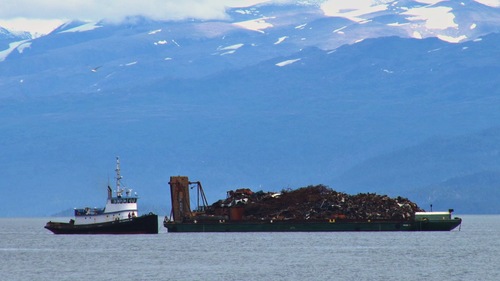
In any case, starting a scrap metal business has a few fundamental rules that you may want to follow. This business is very hands-on, where owners and scrap workers work directly with the “product” – sometimes even handling junk and rusty pieces of metal.
Your priority should be the accumulation of scrap: these are old, unwanted metal pieces that usually come from building supplies, discarded vehicle parts, and other surplus metal materials. Scrap metal is a vital commodity – and is usually almost always in demand for production and recycling. Scrap metal or recycled metal is less costly than pure metal, and the market for scrap metal is expansive.
Scraps can be found almost everywhere – some are given for free, others have to be salvaged from wreckage or demolition sites, and others have to be bought outright. To remain competitive, owners of scrap metal businesses try to keep their rates low and sell their scraps high.
Similar Articles
As a scrap metal business owner, your second priority should be your holding area or the lot to hold all your scraps. Some people call it a scrap yard. Depending on the size and location of your holding area, your business may or may not be open to “browsers” or customers who wish to scan available scrap metal. Some scrap metal businesses allow browsers to walk into the holding area and extract whatever they need, provided that the customers supply their tools for extraction and that they waive any liability from personal injury during the extraction process.
Larger scrap metal businesses segregate metals by piles according to quality and recyclable parts. Scrap metal buyers then “bid” for a specific pile: something like an auction, where the highest bidder gets the pile he desires. The sale of scrap metal is always measured by weight, never per piece or item.
Some scrap metal businesses even have dual purposes. On the one hand, they sell scraps to the highest bidders or browsers, and the less desired pieces are inevitably sent to smelting companies. In both cases, there is always a fast exchange of money, making this a very lucrative business enterprise.
However, one great primary concern, and one that should be the third on your priority list, is safety and security. Scrap metal holding area poses many risks when it comes to physical injury. Haphazardly placed metal pieces may eventually topple over, mainly when “browsers” cover the lot. There are also concerns regarding health and environmental issues – radioactive materials have been found in scrap metal yards before. As a scrap metal business owner, you and your people will likely handle a lot of junk from unknown sources. It is best to have protective gear or a contingency measure should something quite undesirable in your holding area.
Planning to Start a Scrap Business? Don't miss this Video.
Recommended Articles
- How to Sell Old Gold
How to sell scrap gold? There are effective steps that can help you become successful in this a good venture. This is a nice industry to consider if you want to earn a lot on income. - Steel Scrap Costs
Recycling steel not only helps the environment but also saves money especially for manufacturers because they do not need to spend more on refining iron ores.
871 Comments
Comment
Categories
- Franchise Opportunities
- Wholesale Business Opportunities
- Small Manufacturing Business
- Farming Business Ideas
- Unique Business Opportunities
- Shop Business Ideas
- Small Business Opportunities
- Startup Company Ideas
- Home Based Business Opportunity
- Rural Business Opportunities
- Tips for Buying and Selling
- Starting Rental Business
- Ideas for Small Business
- Free Business Ideas
- Internet Business Ideas
- Store Business Opportunities
- Entrepreneur Business Idea
- Retail Store Ideas
- Service Business Ideas
- Advice for Small Business
- Financing a Small Business
- Restaurant Business Opportunities
- Small Business Articles
- Business Marketing and Advertising
- Repair Business Opportunity
- Professional Career Opportunities
- Business Insurance Information
- Instructor Guides

WE ARE EXTENSIVELY ENGAGED IN THE NON-FERROUS METALS BUSINESS HERE IN PAKISTAN AND ARE ENOUGH COMPETENT TO SELL SIZE-ABLE QUANTITIES OF ALUMINIUM SCRAP E.G. ALUMINIUM PVC CABLES SCRAP, ACSR WIRE SCRAP, AL-FOIL SCRAP IN BALES AND FRIDGE COMPRESSORS SCRAP.
PLEASE ASSIST US FAVORABLY EITHER OFFERING SAME MATERIAL FROM YOUR OWN SOURCES OR PLEASE FORWARD OUR INQUIRY TO THE RENOWNED EXPORTERS OF NON-FERROUS METALS SCRAP. ESTEEMING YOUR VALUED ACTION AND REMAIN, BEST REGARDS, M. YUNAS, BHUTTA TRADE IMPEX, LAHORE / PAKISTAN. TEL : 00 92 42 7315251/7364815/16 & 7227098 FAX : 7315087
Firstfruitsinc@live.com || Scrap Business Adviser
Firstfruitsinc@live.com || Scrap Business Adviser
oforijeffy@hotmail.com || Scrap Business Expert
Licensing: check with your local authority regarding any permits, licenses and taxes. Some areas have rules some don’t. Last thing you want is to sell a nice load only to have to give your money it back in the way of fines. If the material that you are going to get had chemicals on or in it there is a good chance that some kind of requirement such as a materials safety data sheet (msds)has to be with it.
Quality of the scrap: more than likely you are going to have to sort and separate your scrap so you can sell it at a premium. mixed scrap pays less.
Limited capital: if you are limited on funds you will have to keep your operation simple. You need to be able to sell your scrap as soon as you get it and put ALL!!!! of your money back into the business. You will have gas and advertising funds for expenses and the remainder for savings. Or you can wait awhile and save more funds.
Turn around in this business: This largely depends on you and operation but I would set a goal of two years to show a consistent profit and have plan for profit gain over the next 5 to 10 years. The longer you are doing this business the better and cheaper you should be able to do it so this is a realistic goal. A good business plan will chart your path for sustained profit.
Business plan: You really need a business plan so you can have a way of measuring the health of your business. It doesn’t have to be super fancy but just cover the basics of your business. It also helps you figure out how to run all of the important aspects of you business. It will also keep you focused. Go online and get a sample of "the elements of a business plan" it really will help you organize your thoughts about the business.
As far as writing one is concerned, contact the school of business at the local university or post an ad at the college. Some starving college accounting and business kid, in their senior year will be more than happy to do the analytics and writing for a few bucks Or you can pay a professional service to do it for you.
Finding buyers: I can't stress this enough. You should identify buyers for your scrap and know how much they pay and in what condition they are going to buy it in. Have a few of them so you can have your backside covered. The last thing you want is scrap that you can't store or sell for a profit. Contact exporters in your area and see if they have scrap buyers. If you know that you have buyers you can now figure out how much scrap you can move and your earning potential.
Information about the business: There isn't a lot of published information about the scrap business you really have to dig around. But join any salvage organizations that you can. Take a trip to a salvage yard and spend some time and see the operation. Don't be shy to talk to the workers and tell them that you are thinking about the business. You will be surprised most of them have no problem talking to you and giving you advice.
Consulting/partnership/investors: I want to start a network of recycle and salvage centers worldwide. A network where a data base of material buyers are available so that each center can be profitable. I have a lot of ideas of how to do this but not a limited staff. I have some knowledge about this business and see how to make it profitable. I also have some capital. I'm in the process of writing a plan and would like to find interested partners/investors.
gwescal@gmail.com